
Why Emotional Surplus Is the Last Real Competitive Edge
Inspired by the brilliant “Love Over Clicks” by Paul Worthington
We live in a marketing world that treats human emotion like an annoying pop-up. Everything is optimized, A/B-tested into oblivion, and measured on ROI cycles so short you’d think we’re running a sprint, not building a brand.
But let’s get something straight:
I’m not talking about romance.
No one’s taking a moisturizer to dinner.
Brand love, as Paul Warrington frames it, isn’t some accidental affection we project onto a logo.
It’s surplus emotional value, the extra feeling you get when something was clearly designed for someone exactly like you.
It’s the gap between
“This works” and “I can’t imagine using anything else.”
So what creates emotional surplus?
Not banners
Not discount codes
Not another round of micro-optimizations that shave three cents off CAC
Surplus shows up when companies:
remove friction instead of burying it
solve problems customers can’t articulate
design experiences that feel strangely personal
build stories with a worldview, not a tagline
make customers feel seen, not targeted
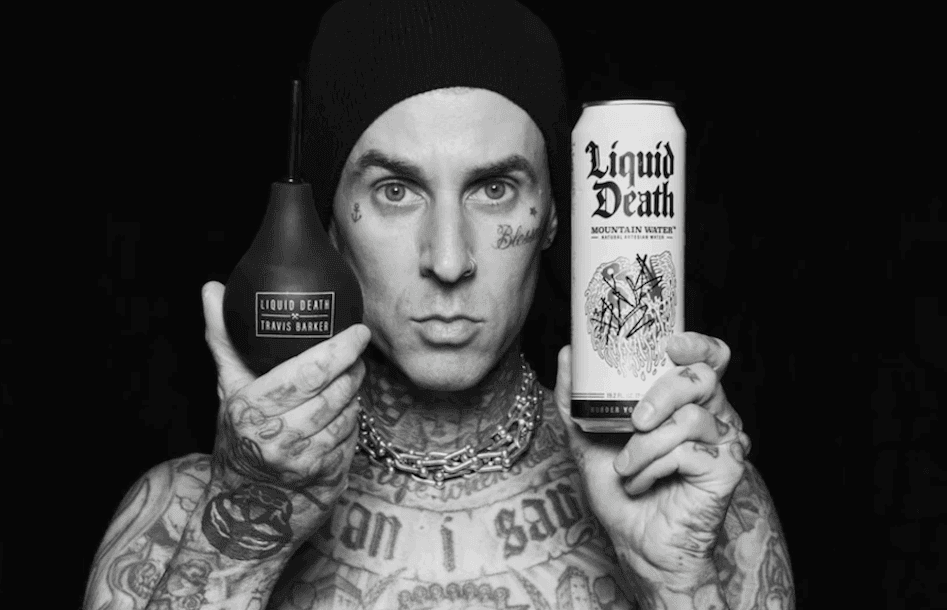
Drummer Travis Barker teamed with Liquid Death.
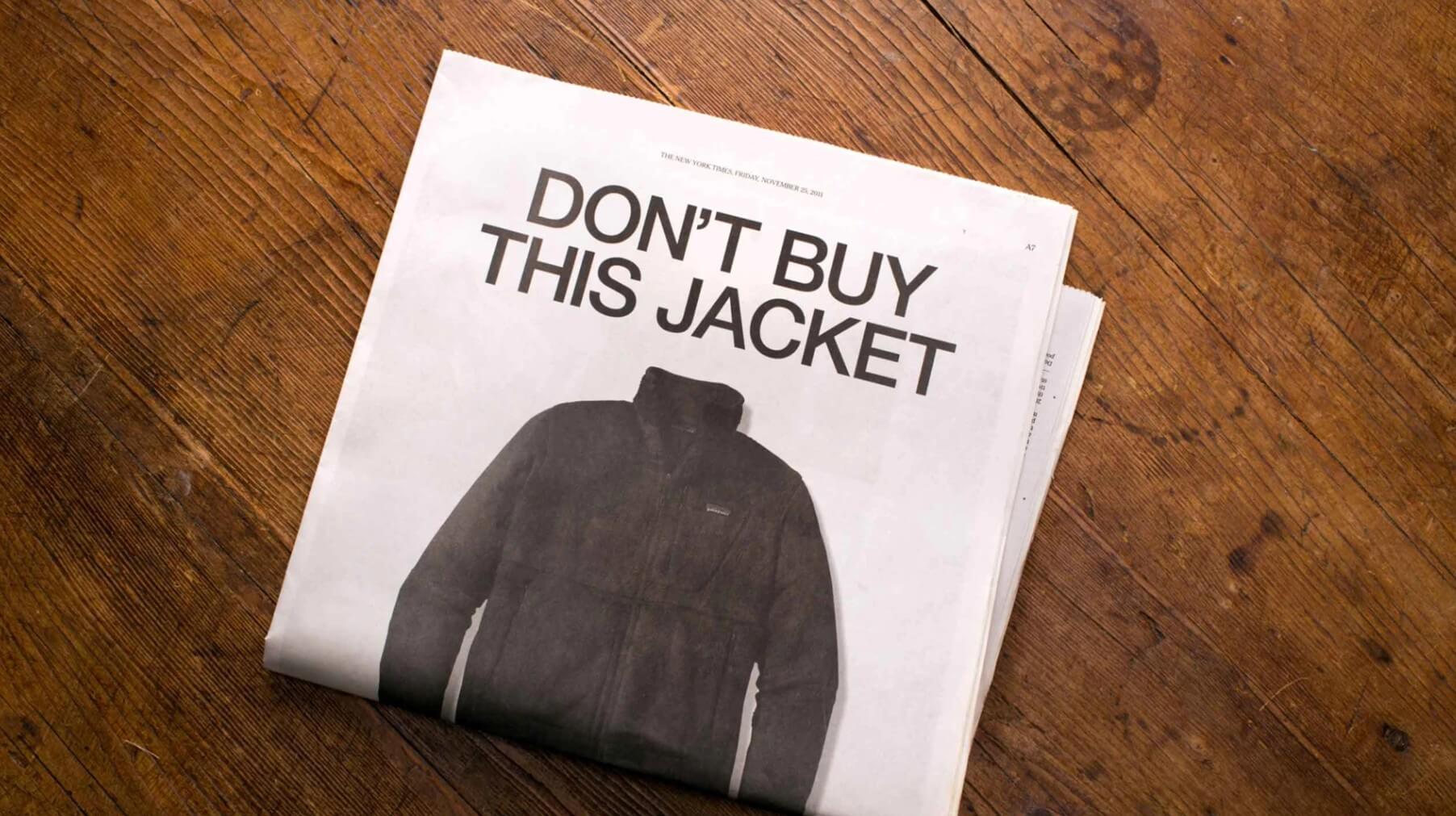
This is why Patagonia can charge premium prices and tell you not to buy more stuff.
Why Costco renews memberships at 90%+
Why Apple annihilated BlackBerry without caring about its feature list
BlackBerry optimized.
Apple enchanted.
One created functionality.
The other created meaning.
Guess who survived.
And here’s the big commercial truth:
Emotional surplus creates economic surplus.
Pricing power. Margin expansion. Loyalty that survives bad days.
A moat no competitor can copy with “we added dark mode too.”
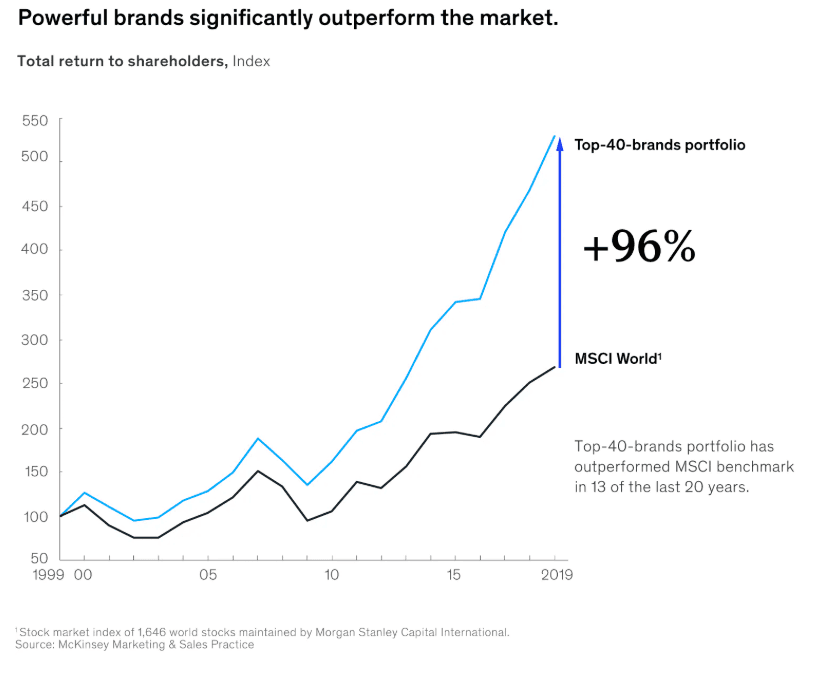
For two decades, the strongest brands outperformed global markets - not because they were better at A/B tests, but because they built systems that people cared about.
Meanwhile, the rest of the industry slowly drifted into what Warrington calls high-functioning mediocrity:
efficient, optimized, data-driven… and absolutely forgettable.
Marketing lost its seat at the strategy table the moment it tried to speak the CFO’s language and abandoned its own.
We traded imagination for dashboards.
Meaning for metrics.
Insight for “can we get this to green?”
The path out?
It’s not another tool.
Not another growth hack.
Definitely not another attribution model.
It’s going back to the thing everyone’s embarrassed to say out loud:
Great brands are built on emotion - engineered, intentional, strategic emotion.
The kind that comes from:
thick data (the why, not just the what)
empathy embedded into product decisions
worldviews customers want to adopt
systems designed for surprise, delight, coherence, and identity
You can’t spreadsheet your way into that.
You plant it. You water it. You build for it.

And with AI about to amplify whatever logic we feed it, the stakes just got higher.
If we feed it metrics alone, we’ll mass-produce brands as memorable as a festival lighter.
If we feed it meaning, creativity, and humanity -we might actually build something worth remembering.